
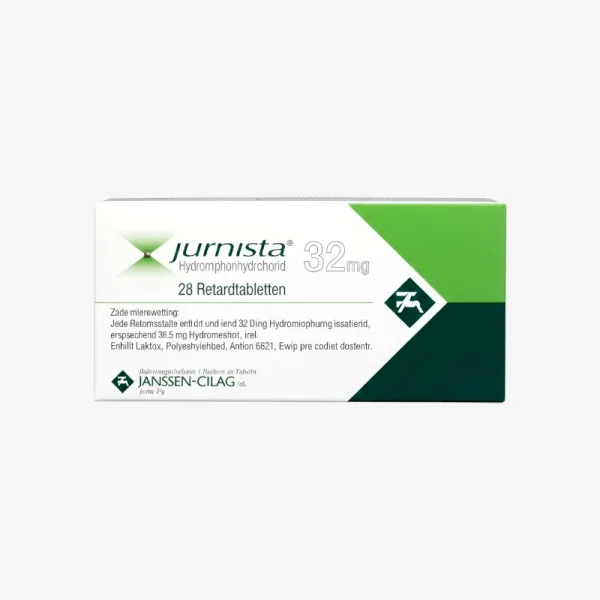
EVERYTHING YOU NEED TO KNOW ABOUT JURNISTA 32 MG TABLETS CANADA
Jurnista 32 mg tablets Canada represent a once-daily prolonged-release formulation of hydromorphone hydrochloride, designed for the management of severe pain requiring continuous, long-term opioid treatment in patients where alternative options are inadequate. As patients across Canada seek reliable information on pharmaceutical options for chronic pain, understanding this medication within the Canadian healthcare context is essential. Health Canada regulates such potent opioids stringently due to their potential for serious side effects, dependency, and overdose. This comprehensive guide provides detailed, evidence-based information tailored to Canadian patients, incorporating federal guidelines, provincial considerations, and responsible use principles.
WHAT IS JURNISTA 32 MG TABLETS AND HOW DOES IT WORK?
Jurnista 32 mg tablets contain hydromorphone hydrochloride in a prolonged-release matrix using OROS (Osmotic Release Oral System) technology. This delivers the medication gradually over approximately 24 hours, providing steady pain relief compared to immediate-release formulations. Hydromorphone is a semi-synthetic opioid agonist, structurally related to morphine but approximately 5 to 7 times more potent on a milligram-to-milligram basis.
It works by binding primarily to mu-opioid receptors in the central nervous system (CNS), altering the perception of and emotional response to pain. This results in analgesia without directly addressing the underlying cause of pain. The extended-release mechanism minimizes peaks and troughs in drug levels, which can improve tolerability for patients needing around-the-clock relief.
In Canada, Jurnista was available in strengths including 4 mg, 8 mg, 16 mg, and 32 mg tablets. The 32 mg strength is intended for opioid-tolerant patients requiring higher daily doses. Note that product availability can change; patients should consult current pharmacy inventories or alternatives like other hydromorphone extended-release options (e.g., generics or Hydromorph Contin). As of recent records, some formulations have faced post-market cancellations, emphasizing the need to verify with a healthcare provider or pharmacist.
Hydromorphone undergoes primarily hepatic metabolism via glucuronidation to metabolites like hydromorphone-3-glucuronide, which can accumulate in renal impairment and contribute to neuroexcitatory effects. This differs slightly from morphine, making it sometimes considered in patients with certain organ function profiles, though evidence does not strongly support broad preferences without individualized assessment.
MEDICAL USES OF JURNISTA 32 MG TABLETS FOR PAIN RELIEF ACROSS CANADA
Jurnista 32 mg tablets are indicated for severe pain severe enough to require daily, continuous, long-term opioid treatment that is opioid-responsive and where other treatments are inadequate. This typically applies to chronic cancer pain, palliative care, or select cases of chronic non-cancer pain (CNCP) under strict supervision.
Across Canada, opioid use for pain follows the 2017 Canadian Guideline for Opioids for Chronic Non-Cancer Pain (with updates ongoing), which prioritizes non-opioid and non-pharmacological approaches first. Opioids like hydromorphone are reserved for cases where benefits outweigh risks. In oncology and palliative settings, they play a more established role for moderate to severe pain.
Provincial variations exist in access and monitoring:
- Ontario: Strict oversight through the Narcotics Monitoring System. High-dose opioids like 32 mg strengths require careful justification.
- British Columbia: Emphasis on risk mitigation with PharmaNet monitoring and guidelines favoring lower doses or alternatives where possible.
- Quebec: Integration with provincial pain management programs, often requiring multidisciplinary input.
- Alberta: Similar focus on prescription monitoring programs (PMPs) to track dispensing and reduce diversion.
Statistics from the Canadian Institute for Health Information (CIHI) highlight that while opioid prescribing has declined overall, potent agents remain in use for appropriate indications. Comparisons with other opioids: Hydromorphone offers potent relief with potentially less histamine release than morphine (reducing itching in some patients), but similar respiratory depression risks. Oxycodone may provide more predictable absorption in some, while fentanyl patches suit transdermal needs. Fentanyl is far more potent and carries higher overdose risk in non-tolerant patients.
Practical examples include patients with advanced cancer experiencing breakthrough pain despite other therapies, or those in palliative care transitioning to stable dosing for comfort.
JURNISTA 32 MG TABLETS DOSAGE GUIDELINES AND ADMINISTRATION IN CANADA
Dosage must be individualized, starting low and titrating slowly. For opioid-naïve patients, initial doses are typically lower (e.g., 4 mg once daily), with the 32 mg tablet reserved for tolerant patients.
Typical Conversion and Titration Guidance (approximate, under medical supervision):
- Convert from total daily oral morphine equivalents (MME). Hydromorphone is roughly 5 times more potent than morphine.
- Initial dose for tolerant patients: Often 50-75% of previous daily equivalent, adjusted based on response.
- Titration: Increases every 3-7 days or longer, monitoring for efficacy and side effects.
- Maximum recommendations: Canadian guidelines suggest caution above 90-200 MME/day for CNCP, depending on the source and patient factors.
| Patient Type | Starting Dose Example | Titration Approach | Notes |
|---|---|---|---|
| Opioid-Naïve | 4 mg once daily | Slow increases | Rarely uses 32 mg initially |
| Opioid-Tolerant | 8-32 mg based on prior use | Every 3-14 days | 32 mg for higher needs |
| Renal Impairment | Dose reduction (e.g., 25-50%) | Monitor closely | Metabolite accumulation risk |
| Elderly | Lower starting dose | Frequent reassessment | Higher sensitivity to sedation |
Jurnista tablets must be swallowed whole with water; do not crush, chew, or dissolve, as this can cause rapid release and fatal overdose. Administration is once every 24 hours, preferably at the same time daily.
Health Canada and provincial colleges stress using the lowest effective dose for the shortest duration.
HOW TO TAKE JURNISTA 32 MG TABLETS SAFELY UNDER CANADIAN GUIDELINES
Safe use begins with a thorough assessment by a Canadian healthcare professional. Discuss full medical history, including respiratory conditions, head injury, gastrointestinal issues, or substance use history.
Key safety tips:
- Take exactly as prescribed.
- Avoid alcohol entirely, as it increases CNS depression risks.
- Do not drive or operate machinery until effects are known (drowsiness common).
- Store securely out of reach of children and others—locked cabinet recommended.
- Dispose of unused tablets via pharmacy take-back programs.
Lifestyle tips: Maintain a high-fiber diet and hydration to combat constipation. Engage in approved physical activity to support function. Track pain levels and function using tools like a pain diary.
Harm reduction: Patients in provinces with naloxone programs should have access to kits for overdose reversal. Family education on recognizing respiratory depression is vital.
COMMON AND SERIOUS SIDE EFFECTS OF JURNISTA 32 MG TABLETS IN CANADIAN PATIENTS
Common side effects include constipation, nausea, vomiting, somnolence, headache, and dizziness. These often improve with time or supportive care.
Common Side Effects Table:
- Gastrointestinal: Constipation (very frequent—prophylactic laxatives advised), nausea, vomiting, dry mouth.
- CNS: Drowsiness, dizziness, headache.
- Other: Sweating, pruritus, fatigue.
Serious risks:
- Respiratory depression (life-threatening, higher at initiation or dose increases).
- Sedation leading to falls, especially in elderly.
- Hypotension.
- Allergic reactions.
- Adrenal insufficiency with long-term use.
Canadian patients should report severe symptoms immediately. Provincial data shows varying rates of adverse events linked to opioid use, with monitoring programs helping track issues.
RISKS OF DEPENDENCY, ADDICTION AND OVERDOSE WITH JURNISTA 32 MG TABLETS IN CANADA
All potent opioids carry risks of physical dependence, tolerance, and opioid use disorder (OUD). Physical dependence can develop with regular use, leading to withdrawal upon abrupt cessation.
Overdose signs: Pinpoint pupils, slow/shallow breathing, extreme drowsiness, cold/clammy skin. Canada’s opioid crisis context underscores these risks, with thousands of deaths annually, many involving prescription opioids mixed with illicit substances.
Risk mitigation: Regular follow-up, urine drug screening in some cases, PMP checks (e.g., in Ontario, BC). Taper slowly when discontinuing to avoid withdrawal (symptoms: anxiety, muscle aches, insomnia, diarrhea).
Harm reduction strategies align with Canadian guidelines: Education, naloxone, safer use practices.
DRUG INTERACTIONS AND CONTRAINDICATIONS FOR JURNISTA 32 MG TABLETS IN CANADA
Contraindications: Significant respiratory depression, acute/severe bronchial asthma, known hypersensitivity, paralytic ileus, or concurrent MAO inhibitors (or within 14 days).
Major interactions:
- CNS depressants (benzodiazepines, alcohol, sedatives): Profound sedation/respiratory depression.
- Other opioids, muscle relaxants.
- Anticholinergics: Increased constipation/urinary retention.
- CYP3A4 inhibitors/inducers may affect levels (though hydromorphone metabolism is primarily glucuronidation).
Always provide a full medication list to your prescriber and pharmacist.
LEGAL STATUS, PRESCRIPTION REQUIREMENTS AND CONTROLLED SUBSTANCES REGULATIONS IN CANADA
Hydromorphone is a Schedule I controlled substance under the Controlled Drugs and Substances Act (CDSA). Jurnista 32 mg requires a written prescription; no refills for many controlled substances without specific authorization. Provincial PMPs monitor dispensing to prevent double-doctoring and diversion.
As of 2026, regulations emphasize safe prescribing, with requirements for warning stickers and patient handouts on many opioids.
HOW TO LEGALLY OBTAIN JURNISTA 32 MG TABLETS THROUGH CANADIAN HEALTHCARE
Obtain through a licensed prescriber (physician, nurse practitioner where authorized) after assessment. Pharmacies dispense with verification. Coverage varies: Some provincial plans (e.g., Ontario Drug Benefit, BC PharmaCare) may cover under exceptional circumstances or for palliative care, often requiring special authority. Private insurance or out-of-pocket for others. Lastly, Confirm current availability, as some brands have been discontinued.